You could also be more prone to getting overly drunk and the risks that come with it, like alcohol poisoning and blacking out. Data regarding BAC levels is collected and analyzed for research purposes. This is probably because people are using alcohol to deal with underlying problems rather than seeking out more effective long-term solutions for managing their challenges. By drinking to cope, you’re avoiding dealing with the underlying problem(s), and your alcohol use can actually make them worse—for example, by interfering with relationships with family and friends. Individuals who experience trauma, or who are more prone to depression or anxiety, are more likely to report drinking to cope. Work-related stress, financial difficulties, and other lifestyle challenges often drive individuals to use alcohol as a coping mechanism.
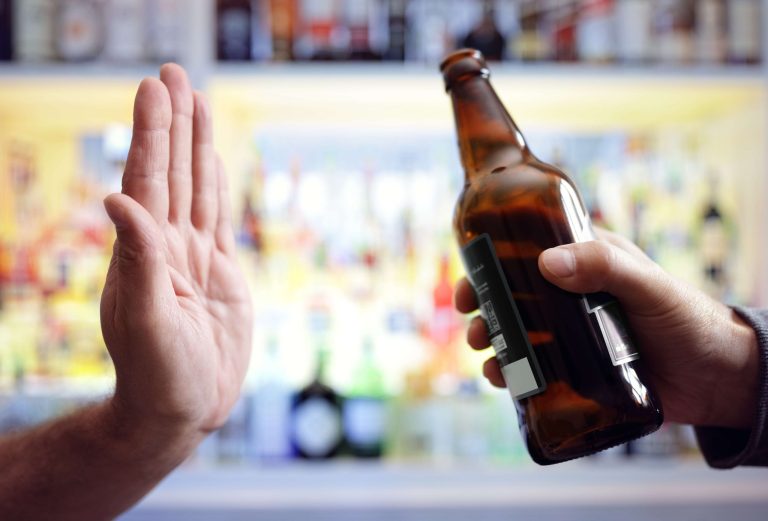
What is Binge Drinking?
The issue isn’t whether alcoholism exists here — it’s how often we overlook it. Whether it’s happening in an upscale neighborhood or a struggling one, alcohol addiction is everywhere. Social motivations for drinking vary across different life stages.

Why Do People Like Drinking Alcohol?
- You deserve support, healing, and a life free from alcohol’s hold.
- The NSDUH found that more than 29 million people ages 12 and older had AUD in (10.5% of adults).
- Additionally, about 66 percent of adults feel stressed about money and 75 percent feel stressed about violence and crime.
Consider talking with someone who has had a problem with drinking but has stopped. Heavy drinking can cause fatty deposits to build up in the liver, leading to cirrhosis or liver failure. Additionally, drinking can lead to an increased risk of stroke, heart attack, and other cardiovascular complications. There are a number of treatments available for alcoholism that can help individuals manage their disorder and reduce their risk of relapse.
Frequency of Drinking
However, for those who develop an alcohol use disorder, this becomes a coping mechanism and turns into a maladaptive, repeating pattern. The number of drinks and the frequency of drinking steadily increase. Yes, alcoholism is a mental health disorder, according to the Substance Abuse and Mental Health Service Administration (SAMHSA).
To Escape Emotional Pain
If you or a loved one is struggling with alcoholism, know that help is available. Understanding the complex causes of alcoholism is the first step toward personalized and effective recovery. Before we dive into the causes of alcoholism, let’s define what alcoholism actually is. Alcoholism, or Alcohol Use Disorder (AUD), is a chronic brain disease characterized by an impaired ability to stop or control alcohol use despite adverse social, occupational, or health consequences. Yes, individuals with a family history of AUD are at a higher risk due to genetic and environmental influences. Many factors can contribute to someone developing alcohol use disorder.
Why People Turn to Alcohol: Understanding the Motivations Behind Drinking
When alcohol is used withenough frequency as an emotional management or stress coping tool the risk Alcohol Use Disorder ofdependency or alcoholism increases greatly. There is also likely a bio physicallink with stress and alcohol abuse, and stress hormones have been casuallylinked to increased alcohol consumption and a greater risk for alcoholism. People who start drinking during adolescence change their brain chemistry in permanent ways. As they age, this alteration makes them more likely to feel anxious and reach for alcohol as a cure.
The Science Behind Alcohol Addiction
As a central nervous system depressant, alcohol can reduce the perception of pain and make it feel more manageable, at least for a short time. Your mind is racing, your heart feels heavy, and you just need something to quiet the noise. Maybe it’s the stress of daily life, the weight of grief, or pain that won’t go away. Alcohol is expensive, and people who have developed a tolerance to or physical dependence on alcohol why do people become alcoholics may lie to obtain the money to buy it. They may borrow money under false pretenses or use money intended for other purposes on alcohol.